

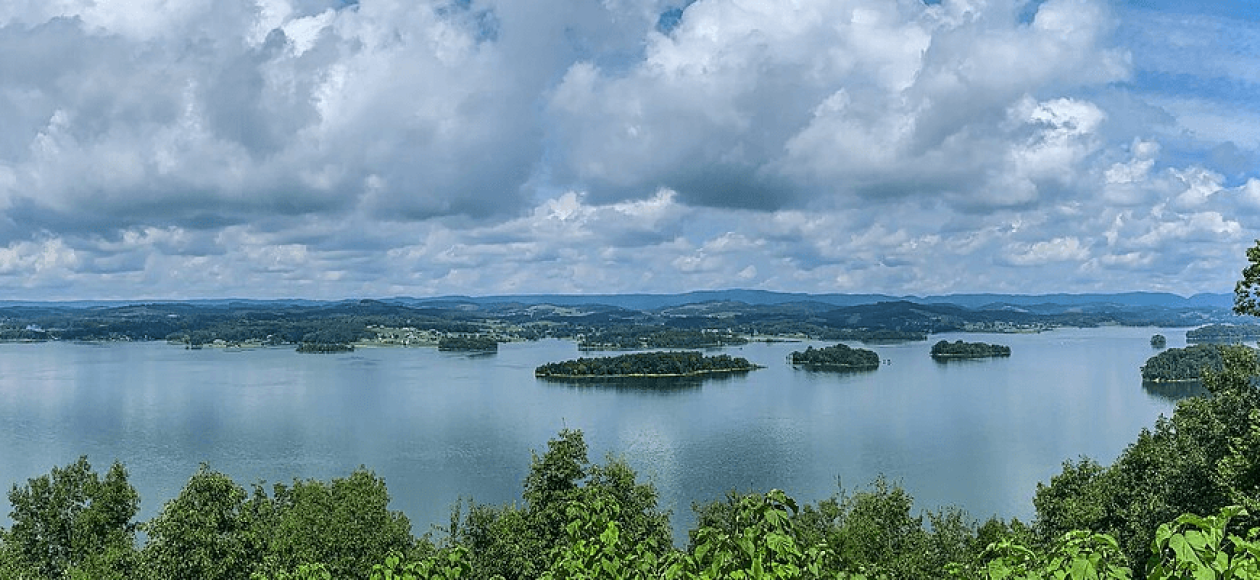
Top 5 Most Beautiful Lakes Near Pigeon Forge
When visitors ask us about escaping to find some natural beauty around Pigeon Forge, these five lakes always top our recommendation list. Each offers something special, whether you’re looking for premiere fishing, family swimming spots, or just a peaceful place to watch the sun set behind the mountains.
1. Douglas Lake: The Local's Favorite

Just 25 miles east of Pigeon Forge sits Douglas Lake, a 28,420-acre reservoir. Created by the Tennessee Valley Authority in the 1940s, this massive body of water offers more than 500 miles of shoreline to explore. What makes Douglas special isn’t just its size – it’s the variety of experiences available in one place.
For anglers, Douglas Lake ranks among Tennessee’s finest bass fishing destinations. The lake holds impressive populations of largemouth, smallmouth, and white bass, but it’s the crappie fishing that draws folks from across the Southeast. Spring and fall crappie runs here are legendary, with March through May offering some of the most productive conditions you’ll find anywhere.
Point #7 on the lake near the dam has been our go-to spot for years. The submerged timber creates the perfect habitat for crappie, while the nearby deeper channels hold striped bass that’ll test your drag system. For families with young anglers, the fishing pier near Douglas Dam provides easy access and consistent catches.
Water recreation extends well beyond fishing here. The lake features multiple swimming areas with gradually sloping, sandy bottoms perfect for families with children. Mountain Cove Marina and Swann’s Marina both offer boat rentals ranging from pontoons to jet skis if you didn’t bring your own watercraft.
Getting to Douglas Lake from Pigeon Forge is straightforward: take US-441 S to TN-139, then follow signs to the lake access points. Multiple boat ramps mean you’ll rarely wait long to launch, even on busy summer weekends.
Hidden Gems & Secluded Spots
Douglas Lake’s South Holston tributary arm remains surprisingly undiscovered despite holding some of the lake’s finest fishing. Accessible only through a winding backroad or by boat, this area features submerged timber that attracts crappie and bass throughout the year. The boat ramp at Nina Creek provides access, though limited parking means arriving early on weekends.
2. Cherokee Lake: Rich in History and Fish

About 40 miles from Pigeon Forge, Cherokee Lake offers a slightly different experience than its neighbor Douglas. Named for the Cherokee Nation that once thrived throughout these mountains, this 30,000-acre reservoir carries both historical significance and modern recreation opportunities.
The lake’s unusually clear water [for a TVA {Tennessee Valley Authority} reservoir] makes it ideal for swimming during warmer months. German Creek Recreation Area features a designated swimming beach with picnic facilities and playgrounds nearby – perfect for family outings. Water temperatures typically reach the mid-80s by July, providing comfortable swimming conditions through early September.
Cherokee Lake has earned a reputation as a smallmouth bass hotspot. These fighters prefer the rocky points and bluffs on the lake’s northern section. If targeting smallmouth, try working the riprap near the dam with crawfish-pattern lures in early morning or late evening hours.
One unique aspect of Cherokee is the houseboat rentals available at Cherokee Marina. These floating accommodations offer a distinctive way to experience the lake, allowing you to wake up directly on the water. Prices vary seasonally, but reservations are essential during summer months as they book quickly.
Boating regulations here require vessels to stay at idle speed within 300 feet of marinas, docks, and swimming areas. Tennessee wildlife officers regularly patrol the lake, so ensure you have proper licenses and safety equipment before heading out.
Hidden Gems & Secluded Spots
On Cherokee Lake, the series of islands near the German Creek area offers isolated swimming and picnicking opportunities reachable only by boat. The largest island features a natural sand beach on its eastern shore, with water depths appropriate for swimming and enough flat area for setting up chairs and umbrellas.
3. Fontana Lake: The Mountain Jewel

For those willing to drive a bit further (about 75 miles from Pigeon Forge), Fontana Lake rewards visitors with arguably the most breathtaking mountain scenery of any lake in the region. Nestled against Great Smoky Mountains National Park, this 10,530-acre lake features water so deep and blue it almost appears tropical despite its mountain setting.
Fontana’s connection to the national park creates unique opportunities you won’t find elsewhere. Several trailheads within the park can only be reached by boat, offering hikers selective solitude even during peak tourist season. Eagle Creek Trail, accessible only via water taxi or personal watercraft, leads to some of the most pristine backcountry in the Smokies.
The lake’s unusual shape – long and narrow with countless fingers and coves – creates perfect conditions for exploration by kayak or canoe. Paddling these quiet inlets often reveals wildlife viewing opportunities, including river otters, bald eagles, and black bears coming down to drink at the shoreline.
Photography enthusiasts should target early morning hours when fog often hangs over the water with dramatic shafts of light breaking through. The boat ramp at Cable Cove offers easy access and some of the most dramatic mountain vistas for sunrise photography.
Fontana Village Resort operates boat rentals and provides guided fishing tours targeting the lake’s abundant walleye and trout populations. Their pontoon boat sunset tours showcase the mountains in their most flattering light and often include historical commentary about the communities that once existed before the lake was created.
Hidden Gems & Secluded Spots
Fontana Lake holds perhaps the region’s most dramatic hidden gem: Eagle Creek embayment. This remote arm reaches deep into Great Smoky Mountains National Park, ending at a backcountry trailhead inaccessible by road. The remnants of old homesites, some with stone chimneys still standing, emerge from the shoreline when water levels drop in fall, creating haunting reminders of communities displaced by the lake’s creation.
4. Norris Lake: Crystal Clear Waters

About 73 miles northwest of Pigeon Forge, Norris Lake distinguishes itself with water clarity that rivals Caribbean destinations. This 33,840-acre lake features visibility often exceeding 15 feet in some areas, creating almost surreal swimming and snorkeling conditions.
Norris was the first major reservoir created by TVA back in 1933, and today it offers some of the most developed marina facilities in East Tennessee. Waterside restaurants, fuel docks, and comprehensive rental services make it particularly friendly for visitors without their own equipment.
The lake’s 800+ miles of shoreline include numerous natural sand beaches ideal for swimming.
What many visitors don’t realize is that Norris offers exceptional fishing for striped bass, with specimens exceeding 25 pounds not uncommon. These powerful fish typically hold in deeper water near the dam during summer months but move into tributary areas during spring and fall. Trolling with live shad or artificials that mimic injured baitfish produces consistent results.
Stardust Marina near La Follette provides comprehensive rentals from fishing boats to luxury pontoons, along with expert fishing guides who can put you on fish quickly even if you’re unfamiliar with the lake. Their on-site restaurant serves excellent lakeside dining with locally sourced ingredients. Try the fresh striper when available.
Hidden Gems & Secluded Spots
On Norris Lake, Cove Creek’s upper reaches narrow into a twisting route barely wide enough for boats to pass. This sheltered area remains calm even on windy days, creating perfect conditions for paddleboarding and kayaking. The limestone bluffs rising directly from the water create dramatic scenery rarely seen by typical visitors.
Watauga Lake: The Scenic Mountain Reservoir

For those willing to make the drive (about 142 miles from Pigeon Forge), Watauga Lake delivers perhaps the most dramatic mountain backdrop of any lake in the region. Surrounded by Cherokee National Forest and framed by 5,000-foot peaks, this 6,430-acre jewel sits at 1,959 feet above sea level – making it one of the highest elevation major reservoirs east of the Mississippi.
Watauga’s remote location and difficult shoreline development (due to steep terrain) create a unique benefit: significantly fewer visitors than more accessible lakes. Even during peak summer weekends, you can often find coves with no other boats in sight – a rarity in the Southeast.
The lake’s cold, clear water supports both cold and warm water fish species. While bass fishing remains popular, Watauga holds the distinction of having trophy lake trout and walleye – species more commonly associated with northern lakes. Water temperatures rarely exceed the mid-70s even in August, creating habitat for these cold-water species.
Perhaps the most distinctive recreational opportunity at Watauga is sailing. The lake’s high elevation creates reliable thermal winds during summer months, and the surrounding mountains funnel these breezes to create excellent sailing conditions. Watauga Lake Sailing Club organizes weekly races and offers temporary memberships to visitors.
Access to Watauga is primarily through Lakeshore Marina or Fish Springs Marina, both offering rentals and supplies. The winding mountain drive to reach the lake might take a bit longer, but the breathtaking scenery and uncrowded conditions make it well worth the journey.
Hidden Gems & Secluded Spots
Watauga Lake’s most secluded treasures hide along its northern shore where Cherokee National Forest creates miles of undeveloped shoreline. Little Wilbur Cove features crystal clear water over a gradually sloping pebble bottom, creating swimming conditions comparable to Caribbean waters but without another soul in sight most weekdays.
Seasonal Lake Experiences: When to Visit
One advantage of living near these lakes our entire lives is understanding how dramatically they transform throughout the year. Each season offers distinct opportunities and challenges, and knowing when to visit for your preferred activities can make all the difference.
Spring Awakening (March-May)
Spring transforms the lakes around Pigeon Forge into angling paradise. As water temperatures climb from the 50s into the 60s, fish become increasingly active, creating prime fishing conditions. This is when Douglas and Cherokee Lakes host numerous fishing tournaments, drawing competitive anglers from across the Southeast.
March and April offer some of the year’s best crappie fishing, with these tasty panfish moving into shallow water to spawn. Areas with submerged brush and timber become crappie magnets, with a simple minnow under a bobber often producing limits of fish. The points near Nina Creek on Douglas Lake have been particularly productive for my family for generations.
Beyond fishing, spring brings spectacular shoreline wildflower displays. The banks of Norris Lake feature remarkable colonies of trillium, spring beauties, and Virginia bluebells from mid-April through early May. Pack binoculars for birdwatching as migrating warblers and returning osprey create constant activity along wooded shorelines.
Water temperatures in spring can be deceptive—while air temperatures might feel summer-like by May, lake waters often remain in the 60s until late spring, making extended swimming uncomfortable without a wetsuit. This is particularly true at higher-elevation Watauga Lake, where swimming season rarely begins before June.
Summer Splendor (June-August)
Summer transforms these mountain lakes into recreational playgrounds. Water temperatures reach their peak (typically 80-85°F in the main lakes), creating ideal conditions for swimming, water skiing, and other sports. By June, thermal stratification establishes distinct temperature layers in the lakes, pushing many fish species deeper during daylight hours.
For families, summer offers the most comfortable water conditions and the fullest range of rental options and services. All major marinas operate at full capacity, with boat rentals, guided tours, and waterside dining readily available. If visiting during this peak season, we recommend arriving at popular areas like Douglas Dam Recreation Area before 10 AM to secure parking and beach space.
Summer evenings bring a magical quality to these lakes. The heat of the day dissipates, creating comfortable conditions for sunset cruises or night fishing. Several marinas on Douglas and Norris Lakes offer evening pontoon tours during full moons, providing unforgettable views of moonlight reflecting off mountain silhouettes.
Bass fishing transitions to early morning, late evening, or night fishing patterns during summer. The most productive summer pattern we’ve found involves targeting points and humps with deep-diving crankbaits or large plastic worms during the first and last hours of daylight or fishing illuminated docks after dark for crappie.
Fall Color Spectacular (September-November)
Fall might be our favorite season on Tennessee lakes. The oppressive heat subsides, crowds thin dramatically after Labor Day, and the surrounding mountains explode in a riot of color that doubles as it reflects on the water surface. October typically delivers peak fall foliage, creating photography opportunities that draw professionals from around the country.
Fishing conditions rebound as water temperatures cool, with bass and crappie moving shallower and feeding more aggressively. Fall creates the year’s second major fishing peak, often with larger average-sized catches than spring. The creek arms of Cherokee Lake produce exceptional bass fishing through October as fish follow baitfish migrations.
Fontana Lake arguably offers the most spectacular fall experience, with Great Smoky Mountains National Park’s unbroken forest creating a 360-degree color display that reflects perfectly on the lake’s deep blue waters. For photographers, the boat launch at Cable Cove provides morning light conditions that showcase the colors at their most vibrant.
Boat rental rates typically drop after Labor Day, with many marinas offering off-season discounts of 30% or more through November. Water temperatures remain comfortable for fishing and boating well into October, though swimming becomes increasingly challenging as waters cool into the 60s by late fall.
Winter Serenity (December-February)
Winter transforms these mountain lakes into serene, crowd-free environments that few tourists ever experience. While recreational boating largely ceases, these colder months offer unique opportunities for those willing to brave the elements.
Eagle watching reaches its peak during winter when migrating bald eagles arrive from northern territories. Douglas and Norris Lakes host significant winter eagle populations, with January offering the best viewing opportunities. The Headwater of Douglas near Rankin provides reliable eagle sightings most winter mornings.
Winter creates extraordinary photography conditions. The bare trees reveal mountain contours normally hidden by foliage, and occasional snow dustings transform familiar landscapes into monochromatic masterpieces. Morning fog becomes more dramatic in winter, often creating layered mist effects as it rises from the relatively warmer water.
For dedicated anglers, winter offers surprising opportunities. Trout fishing remains productive year-round on the tailwaters below TVA dams. The regulated water releases maintain constant temperatures conducive to trout activity regardless of air temperature. The fishing platform below Norris Dam provides access to some of East Tennessee’s finest winter trout fishing.
Some marinas maintain limited winter operations. Lighthouse Marina on Norris remains open year-round, offering boat rentals on fair-weather days and guided fishing tours specifically targeting winter patterns. They also rent enclosed, heated fishing pontoons that provide comfort even on the coldest days.
Read More: Best Times to Visit Pigeon Forge: Month-by-month breakdown
Family-Friendly Lake Activities & Adventures

Here’s how to make the most of your visit, especially if you’re bringing children along.
Water Recreation Options for All Ages
Safety always comes first with family water activities. Each lake offers designated swimming areas with gradually sloping bottoms ideal for children. Douglas Lake’s swimming beach near the dam features a roped-off shallow area with lifeguards during peak summer months. Cherokee Lake’s German Creek Recreation Area provides perhaps the most comprehensive family swimming facility, with graduated entry, sand beaches, and nearby changing facilities.
For families with older children, kayaking offers an accessible way to explore shorelines at your own pace. Several outfitters around Douglas and Norris Lakes rent stable, sit-on-top kayaks perfectly suited for beginners. Smoky Mountain Kayaks operates a rental kiosk at Douglas Dam during summer months, offering two-hour guided family paddling tours that incorporate nature education and wildlife spotting.
Pontoon boats remain the most versatile family option, providing a stable platform for multiple activities. Most marina rentals require operators to be at least 21 years old with valid ID, but no special boating license is required for visitors. Half-day pontoon rentals typically range from $150-250 depending on boat size and season, providing an affordable option for family groups.
For those without boating experience, guided tours offer hassle-free options. Fontana Lake’s family Explorer” tour combines a two-hour pontoon ride with swimming stops and a naturalist guide who explains mountain ecology and history. These guided experiences eliminate navigation concerns while providing educational content suitable for various ages.
Shoreline Activities & Picnic Spots
Not all lake enjoyment requires getting on the water. Numerous shoreline areas provide excellent facilities for families who prefer to keep their feet on solid ground.
Norris Dam State Park offers some of the nicest picnic facilities, with covered pavilions, modern restrooms, and playground equipment just steps from scenic lake views. Their West Area includes ADA-accessible picnic sites and paved paths suitable for strollers and wheelchairs. The east side features a small sandy beach with shallow-water swimming access.
For wildlife enthusiasts, the shoreline trail at Douglas Lake’s Rankin Access yields frequent turtle, heron, and osprey sightings. This flat, half-mile loop includes interpretive signs explaining lake ecology and habitat. Bring binoculars – bald eagles frequently perch in tall pines along the eastern shore.
Cherokee Lake’s dam recreation area includes fishing piers specifically designed for accessibility, with lower railings for children and wheelchair users. These structures extend into deeper water, putting anglers directly over productive fishing areas without requiring a boat. The nearby picnic area includes electrical outlets at each table – convenient for portable coolers or charging devices.
Fontana Lake’s Cable Cove recreation area features a unique “splash pad” play area where water jets provide cooling fun for younger children not ready for swimming. The facility operates on a timer system to conserve water but provides an excellent option for toddlers and preschoolers.
Best Sunrise/Sunset Viewing Points
For photographers or romantics seeking the perfect lake view, timing and location make all the difference. These specific spots offer exceptional light conditions worth seeking out.
- Douglas Lake's sunset bridge – a local nickname for the old Highway 25E crossing – provides elevated views across the main lake basin. The western exposure creates dramatic silhouettes as the sun drops behind the mountains. This spot works year-round but creates particularly spectacular golden-hour reflections during fall.
- Cherokee Dam's east side observation area offers the region's most accessible sunrise viewing. The platform provides unobstructed views across the headwaters, with mountain layers creating depth as morning light illuminates rising fog. The paved path remains accessible for wheelchairs and strollers, making this friendly for all abilities.
- For Fontana Lake, nothing beats the view from Thunderstruck Ridge Overlook for sunset photography. While technically a roadside stop rather than lakeside access, this elevated vantage point captures the lake, mountains, and sky in perfect composition as the setting sun creates alpenglow on distant peaks.
- Norris Lake's Loyston Sea overlook provides my favorite spot for watching moonrise over water. This east-facing viewpoint captures the moon as it climbs above the Cumberland Plateau, creating a golden path across the water. The absence of nearby development means minimal light pollution, making it ideal for night photography.
- At Watauga, the swimming beach at Watauga Point Recreation Area faces due west across the main lake basin. The mountains create a natural frame for sunset, with colors typically reflecting vividly on the lake's surface. The installed benches and stone seating wall make this comfortable for extended viewing.
Explore more outdoor things to do in Pigeon Forge.
Planning Your Perfect Lake Day Trip
Venturing to any of these lakes requires some preparation to ensure a smooth experience. Having guided countless friends and visitors, here’s my practical advice for planning your lake excursion from Pigeon Forge.
Essential Packing & Preparation
- Beyond obvious items like swimwear and sunscreen (minimum SPF 30 reapplied hourly), several less obvious essentials will improve your experience. Pack a dry bag or waterproof container for electronics and valuables. Unexpected splashes happen even if you don't plan to swim. Quick-dry towels take up less space and dry faster between uses than traditional beach towels.
- For fishing trips, Tennessee requires licenses for anyone 13 or older. Purchase these online through the Tennessee Wildlife Resources Agency website before your trip to avoid delays. A one-day non-resident fishing license costs approximately $6.50, while a three-day license offers better value at around $16.50 for multiple fishing days.
- Water shoes provide essential protection at most lake beaches where natural bottoms may contain sharp rocks or underwater debris. These also provide traction on potentially slippery boat docks and launches. Similarly, polarized sunglasses reduce glare off water and allow you to see beneath the surface – helpful for spotting underwater hazards while swimming or wading.
- If renting a boat, most marinas require advance reservations during summer months, with deposits typically running 50% of the rental cost. Book at least a week ahead for weekend dates from Memorial Day through Labor Day. Many outfitters offer significant discounts (often 20-30% off) for weekday rentals or morning half-day sessions.
Navigation & Facilities Information
Cell service varies dramatically around these mountain lakes. Douglas and Cherokee maintain relatively consistent coverage near developed areas, while Fontana and Watauga have significant dead zones, particularly in narrow coves. Download offline maps through Google Maps or specialty apps like Navionics before your trip if you’ll be exploring remote areas.
For boaters, understanding TVA’s lake level management proves essential. During summer, most lakes remain near full pool, but fall drawdowns can begin as early as late August, potentially exposing hazards not present earlier in the season. Check TVA’s lake level prediction website before your trip for current conditions.
Emergency services response times vary by location. Douglas and Norris Lakes feature staffed ranger stations during summer months with emergency boats on standby. More remote sections of Fontana or Watauga may require 30+ minutes for emergency response. Always communicate your planned location and expected return time to someone not in your group when visiting more isolated areas.
Conservation & Eco-Tourism at Smoky Mountain Lakes
These precious water resources face increasing pressure from development and visitor impacts. As someone who hopes future generations will enjoy these same waters, we believe responsible recreation must include conservation awareness.
Protecting Our Mountain Waters
- The Leave No Trace principles apply as much to lakes as to hiking trails. Pack out all trash, including seemingly harmless items like fruit peels or fishing line, which can entangle wildlife. At boat-in picnic spots without facilities, carry waste out in sealed containers rather than burying it, as shoreline erosion may eventually expose buried materials.
- Invasive species represent one of the greatest threats to lake ecosystems. Always clean, drain, and dry boats and fishing equipment when moving between waterways. Tennessee's aquatic nuisance species regulations prohibit transporting live bait or water between bodies of water to prevent the spread of harmful organisms.
- Supporting local conservation through responsible enjoyment of Tennessee's natural resources helps ensure their protection. Organizations like Keep the Tennessee River Beautiful coordinate volunteer shoreline cleanups throughout the year. Their website lists upcoming events where visitors can participate in half-day efforts that make a tangible difference.
- Boating practices significantly impact lake health. Observe no-wake zones near shorelines to prevent erosion, and avoid disturbing shallow areas where aquatic vegetation helps filter water and provides essential fish habitat. When anchoring, choose areas with sandy or rocky bottoms rather than dropping anchor in vegetation beds that can be damaged by dragging chains.
- Wildlife viewing should always prioritize animal welfare. Maintain distance from nesting birds or resting waterfowl, and never feed wild animals, which creates dangerous dependencies and alters natural behaviors. When photographing wildlife, use zoom lenses rather than approaching too closely, particularly with sensitive species like eagles or herons.
By approaching these beautiful waters with respect and care, we help preserve them for generations to come while still enjoying all they have to offer. After all, these lakes have been gathering stories for decades – and with proper stewardship, they’ll continue collecting new ones for centuries more.
As the morning mist lifts off Douglas Lake and another perfect day in the Smokies begins, we’re reminded why these waters have always been our sanctuary from the busier tourist areas just down the road.
Whether you’re casting for bass at sunrise, picnicking with family along a quiet shoreline, or capturing that perfect sunset photo, the lakes near Pigeon Forge offer experiences that will become highlights of your Tennessee vacation.
Pack your sense of adventure, bring your camera, and discover why locals like me have treasured these waters for generations.
For more information, connect with us.
FAQs
Douglas Lake is considered the best and closest lake to Pigeon Forge, popular for fishing, boating, and scenic mountain views
Pigeon Forge itself does not have a lake within city limits, but the five lakes listed above are just a few miles away.


